Discover the main highlights in Namibia, from the awe-inspiring seas of sand of the Namib desert, the cultures and impressive landscapes of Damaraland and the variety and amounts of wildlife. This tour showcases the significant highlights of the country. This safari is ideal as an introduction or once off visit to Namibia.
| Days | Accommodation | Breakfast / Lunch / Dinner | Rooms category |
|---|---|---|---|
| Day 1 | Weltevrede Guest Farm | Lunch / Dinner | Lodge Rooms |
| Day 2 | Solitaire Country Lodge | Breakfast / Lunch / Dinner | Lodge Rooms |
| Day 3 | Swakopmund – Prost Hotel | Breakfast / Lunch | Hotel Rooms |
| Day 4 | Swakopmund – Prost Hotel | Breakfast | Hotel Rooms |
| Day 5 | Damaraland - Damara Mopane | Breakfast / Lunch / Dinner | Lodge Rooms |
| Day 6 | Etosha NP – Etosha Safari Camp | Breakfast / Lunch / Dinner | Chalets |
| Day 7 | Etosha NP – Etosha Safari Camp | Breakfast / Lunch / Dinner | Chalets |
| Day 8 | Etosha NP – Etosha Safari Camp | Breakfast / Lunch / Dinner | Chalets |
| Day 9 | Waterberg Plateau Park - Lodge | Breakfast / Lunch / Dinner | Chalets |
| Day 10 | River Crossing Lodge | Breakfast / Lunch | Lodge Rooms |
Your guide will pick you up at the Hosea Kutaku International Airport on arrival. Your journey will start as we take off to our first destination in the Namib Naukluft Park.
With an overall area of 49,768 km2 (19,216 sq mi), the Namib Naukluft National Park was at the time of its last expansion the largest game park in Africa and the fourth largest in the world begins via the scenic Spreetshoogte Pass (one of Namibia’s steepest and most scenic of its kind). A refreshment stop at the small settlement of Solitaire follows (famous for its apple pie!) before heading on to the lodge. The authentic desert atmosphere en-route is considered as just one of the many highlights this short trip has to offer.
An early start to capture the soft light of sunrise over the desert. After passing through the Sesriem Gate, we continue towards Sossusvlei, with sand dunes stretching along both sides of the road in the distance. We stop at the famous Dune 45. Those feeling energetic can climb the dune and enjoy breathtaking views of the surrounding desert and dunes.
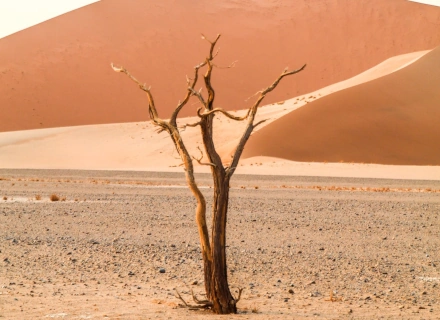
After breakfast, we take a desert walk in the cool of the morning in Deadvlei, with a chance to see oryx, springbok, black-backed jackals, and ostriches.
Namibia is a land of contrasts. Today, we move from the desert to the sea. On our way, we cross the Tropic of Capricorn and pass through the Gaub and Kuiseb passes, driving down to the dry riverbed at the bottom of the Kuiseb Canyon before climbing up the other side and seeing the spectacular desert landscape spread out before us. Once on the coast, we stop in Walvis Bay to enjoy the sight of the flamingos and other birds in the lagoons.
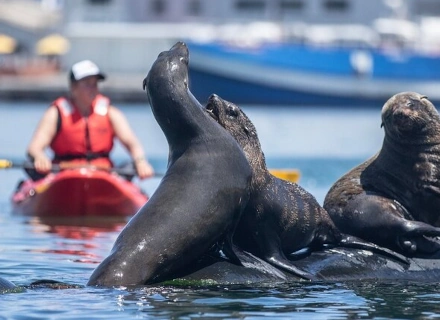
We spend 2x nights in Swakopmund. Swakopmund is a very pleasant coastal town with many shops, a nice stretch of beach (although the Atlantic is quite cold here) and an open-air curio market. There is also a very good museum, and the Namibian National Marine Aquarium is located in Swakopmund. Alternatively, various optional activities can be arranged.
The rest of the day will be free with plenty of time to explore the town. Swakopmund is a very pleasant seaside town with lots of shops, a good stretch of beach (although the Atlantic is quite cold here) and an open-air curio market. There is also a very good museum, and the Namibian National Marine Aquarium is located in Swakopmund. Alternatively, there are various optional activities that can be arranged.
These include a boat-tour (with oysters and champagne!), scenic flights and micro-light flights over the desert, fishing trips (either from the beach or in a boat), quad-bike trips into the desert and over the sand dunes around Swakopmund, sandboarding, skydiving and many other activities. Your guide will discuss all the possible optional activities with you and offer to make pre-bookings in advance. (N.B. all extra activities in Swakopmund are subject to availability and are made at the client's own risk and expense). Dinner today is not included in the cost of the safari and will be at the client's own expense.
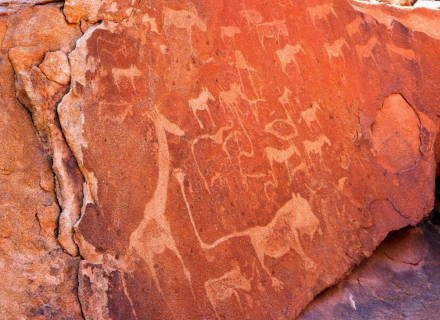
Early departure - We continue our journey through the famous part of Damaraland. Twyfelfontein is a rocky site in the Kunene region in northwestern Namibia. The site contains around 2,000 rock drawings and is one of the largest and most significant collections of rock art in Africa. It was declared a national monument in 1952. It is estimated that up to 40,000 people a year now visit the site, making it one of the most popular tourist destinations in Namibia.
The Damara Living Museum near Twyfelfontein is the first traditional Damara project in Namibia and the only one of its kind (art). The opportunity to get to know traditional Damara culture in this form is not available anywhere else in Namibia or in the world.
The visit to the Himba village is planned after breakfast. The Himba OmuHimba, OvaHimba are an ethnic group with an estimated population of about 50,000 people living in northern Namibia, in the Kunene region (former Kaokoland) and across the Kunene River in southern Angola. Some remaining groups of the OvaTwa consider the OvaHimba part of their tribe, but are hunter-gatherers. Culturally distinguishable from the Herero, the OvaHimba are a semi-nomadic, pastoral people and speak OtjiHimba, a variant of Herero belonging to the Niger-Congo Bantu family. The OvaHimba are semi-nomadic in that they have base farms where crops are grown, but must move within the year depending on rainfall and water access.
The OvaHimba are considered the last (semi-)nomadic people of Namibia. We take the rest of the day just relaxing at the poolside and enjoying the local music at the bar.
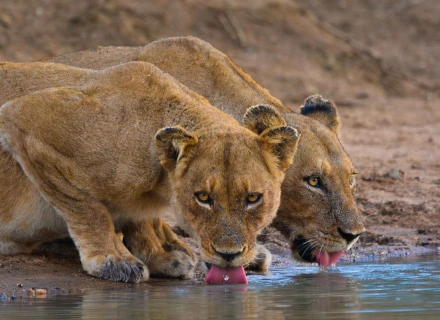
Today, we explore the park and increase our chances of amazing wildlife sightings. We start with a morning game drive before breakfast (take break packs). These waterholes are one of the most unique aspects of Etosha National Park and a major attraction for wildlife photographers and animal behavior experts, as the different species of animals, both predators and prey, can often be captured drinking at the same waterhole (on camera). We return to the lodge for a relaxing lunch. We go out again late in the afternoon just before sunset and back for dinner.
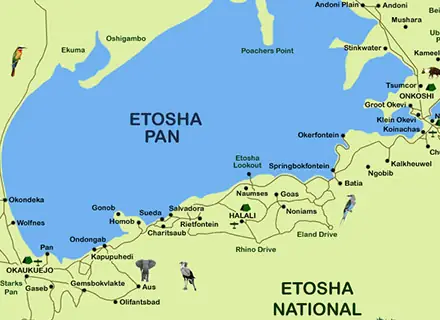
Etosha National Park is a national park in northwestern Namibia and one of the largest national parks in Africa. It was declared a game reserve in March 1907. It covers an area of 22,270 km² and was named after the great Etosha Pan, which lies almost entirely within the park. With an area of 4,760 km², Etosha Pan covers 23% of the total area of the national park. The area is home to hundreds of mammal, bird and reptile species, including several threatened and endangered species such as the black rhinoceros.
We will have an early breakfast, before heading out on a half day safari on our own tour car. Etosha's animals depend on artificial waterholes and natural springs. Explore the various waterholes along this enormous saltpan, which is called the "great white place of dry water" in a local language. Lunch stop at one of the rest camps. Encounter a big variety of wildlife in the Park during the morning. More than 114 mammal species are found in the Park, several of them are rare and endangered, like the black rhino of the black faced impala. You have a great chance of seeing some of the bigger animals, like elephants and rhinos and of course, a highlight in any safari, the predators.
After breakfast we continue to the Waterberg Wilderness Plateau Park.
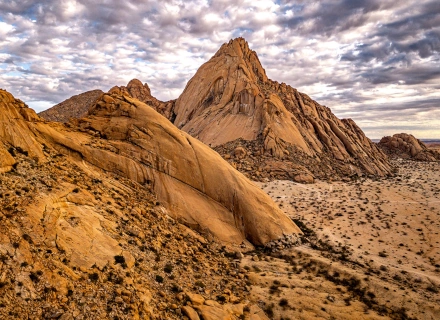
The Waterberg Plateau Park is a national park in central Namibia that includes the Waterberg Plateau. The Waterberg Plateau is a particularly striking landscape, high above the plains of the Kalahari in eastern Namibia. The plateau and about 405 km² of surrounding land were declared a nature reserve in 1972. The plateau is largely inaccessible, so several species that were endangered in Namibia were relocated there in the early 1970s to protect them from predators and poaching and to save them from extinction.
We have a relaxing late breakfast, before we pack up and take our last route together. The drive will take us about 4 hours until we have a quick toilet and lunch stop in Okahandja. Not only is Okahandja known for its cultural diversity, but here we have the largest craft market. During our break feel free to take a walk through the markets with your belongings guarded by the tour guide in the car. Take only the cash you need or withdraw from the ATM.
After our break we continue to our last destination.
Departures: Any Day
Price Per Person: N$ 65 300
Participants : 2 Min
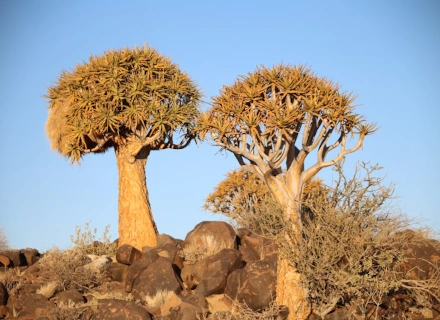
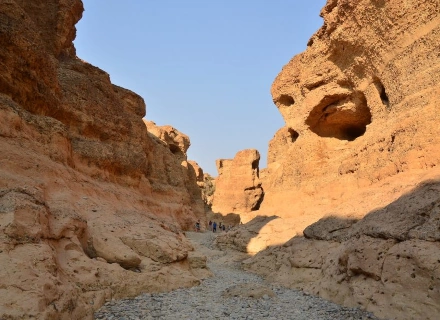


Waterberg coast Plateau Park is simply outstanding with its views





